
🧪 ChoicePeps Calculator
The ChoicePeps Peptide Dose Calculator is built to simplify peptide reconstitution and dosing calculations. By entering your vial amount, bacteriostatic water volume, syringe size, and desired dose, you can quickly see the exact syringe units needed for each dose.
The calculator also estimates how many total doses your vial will provide at that specific dose, making it easier to plan your research supply accurately. Designed to be beginner-friendly and easy to use, this tool helps remove confusion from peptide mixing calculations.
For research and educational purposes only
ChoicePeps Peptide Dose Calculator
What is the total volume of your syringe?

1.0 ml (100 units)

0.5 ml (50 units)
 0.3 ml (30 units)
Select Peptide (optional)
Peptide Vial Quantity
Bacteriostatic Water Added
Dose Units
Desired Dose
Featured products
-

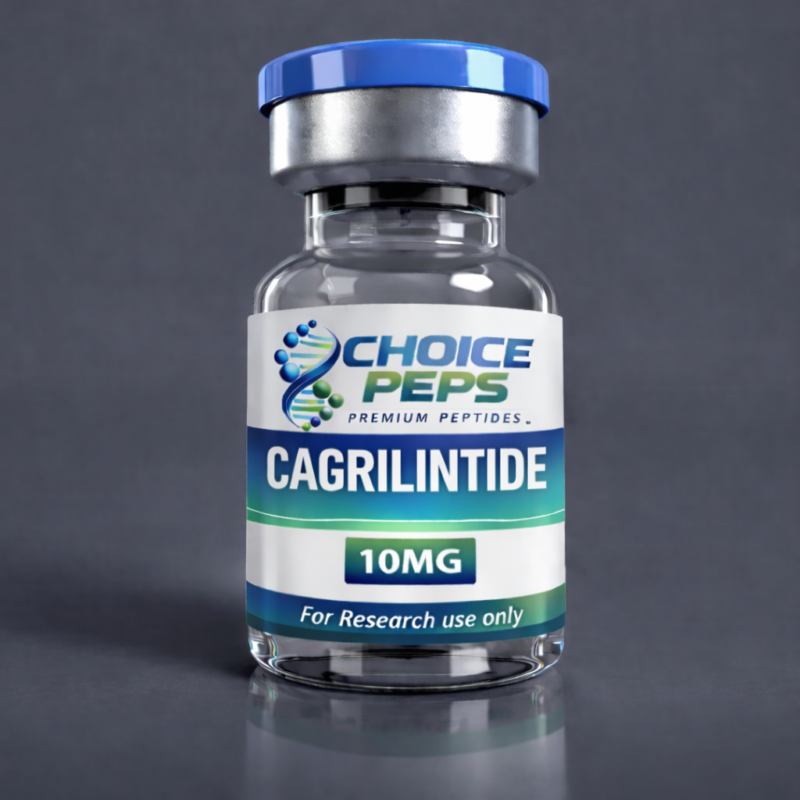
Cagrilintide 10mg
-
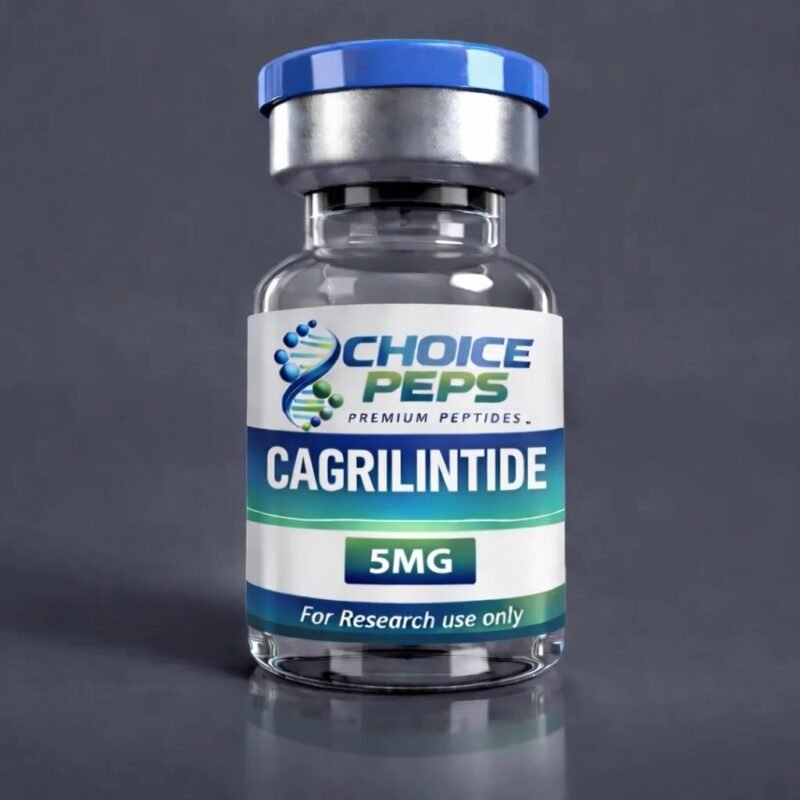
Cagrilintide 5mg
Original price was: $50.00.$40.00Current price is: $40.00. -
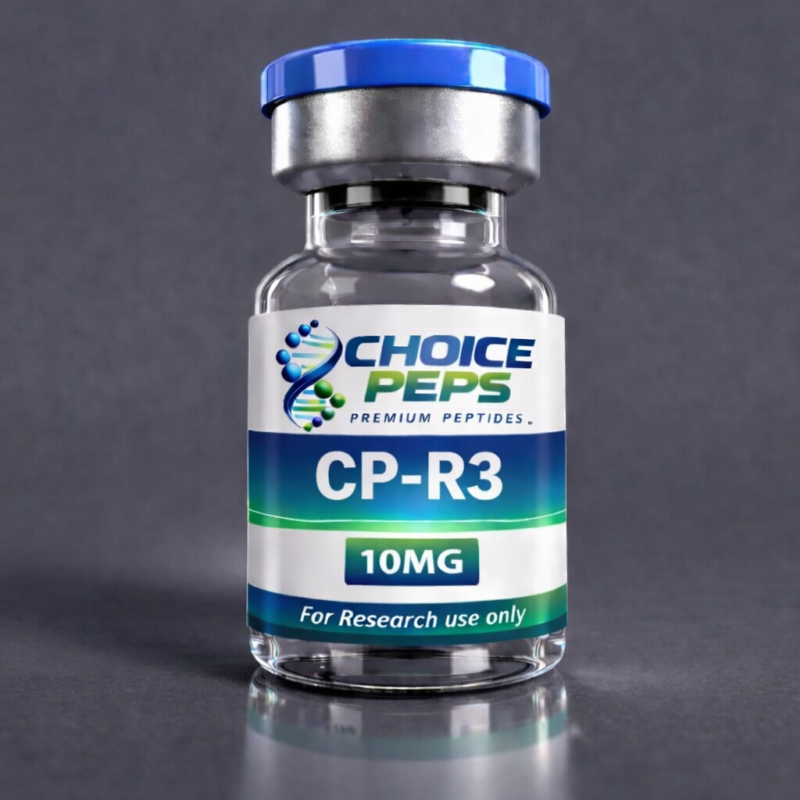
CP-Reta
Price range: $39.99 through $109.99 -
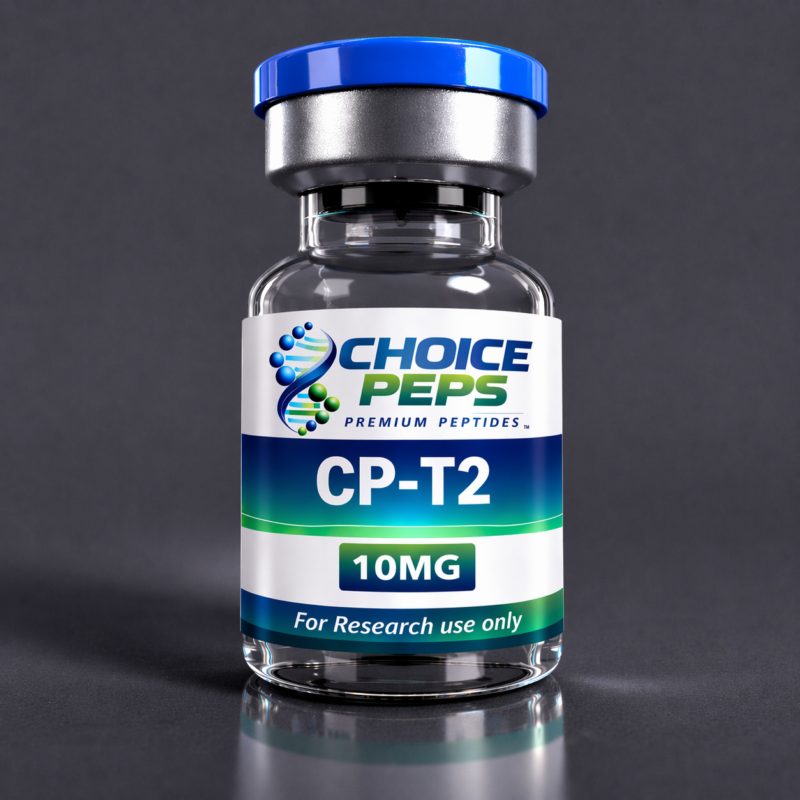
CP-Tirz
Price range: $35.99 through $94.99
BPC-157 Dosage and Mixing Guide
BPC-157 is commonly reconstituted with bacteriostatic water to achieve a convenient concentration for subcutaneous research use. Many researchers prefer smaller dose increments, which makes accurate unit calculations especially important. Using a peptide calculator helps ensure consistent measurements and reduces manual math errors when preparing BPC-157 solutions.
Tirzepatide Dosing Calculator Information
Tirzepatide typically requires precise dilution to achieve accurate micro-dose measurements. Because vial strengths and bacteriostatic water amounts can vary, a dynamic peptide calculator is useful for determining the exact units needed on a U-100 insulin syringe. Always verify your calculated concentration before use.
Retatrutide Reconstitution Reference
Retatrutide often involves multi-milligram vial strengths and careful dilution planning. The ChoicePeps calculator allows researchers to quickly model different bacteriostatic water amounts to reach their desired concentration. This helps streamline preparation and improves consistency between doses.
Tesamorelin Mixing and Measurement
Tesamorelin preparations benefit from accurate reconstitution to maintain reliable dosing volumes. By adjusting vial strength and dilution amount in the calculator above, researchers can quickly determine the appropriate draw volume and total doses per vial.
CJC-1295 and Ipamorelin Calculator Notes
CJC-1295 and Ipamorelin are frequently used in smaller measured amounts, making syringe unit accuracy especially important. The calculator above supports rapid adjustments so researchers can model different dilution strategies and optimize their preparation workflow.
Cagrilintide Dosing and Reonstitution
Cagrilintide is often measured in small dosing increments, which makes accurate reconstitution especially important. Because vial strength and bacteriostatic water volume can change the final concentration significantly, using a peptide calculator helps determine the exact syringe units needed for each dose. This makes it much easier to prepare consistent measurements and estimate how many total doses are available per vial.
❓Peptide Calculator FAQ
How do I calculate peptide units on an insulin syringe?
Peptide units depend on the vial strength, amount of bacteriostatic water added, and desired dose. A peptide calculator automatically converts these values into the correct syringe units.
What is bacteriostatic water used for?
Bacteriostatic water is commonly used to reconstitute lyophilized peptides so they can be accurately measured and drawn into a syringe.
Why use a peptide dose calculator?
Manual peptide math can be confusing and error-prone. A calculator helps ensure consistent concentrations and accurate unit measurements.
Does vial size affect peptide dosing?
Yes. Different vial strengths and dilution amounts change the final concentration, which directly affects how many units are required per dose.